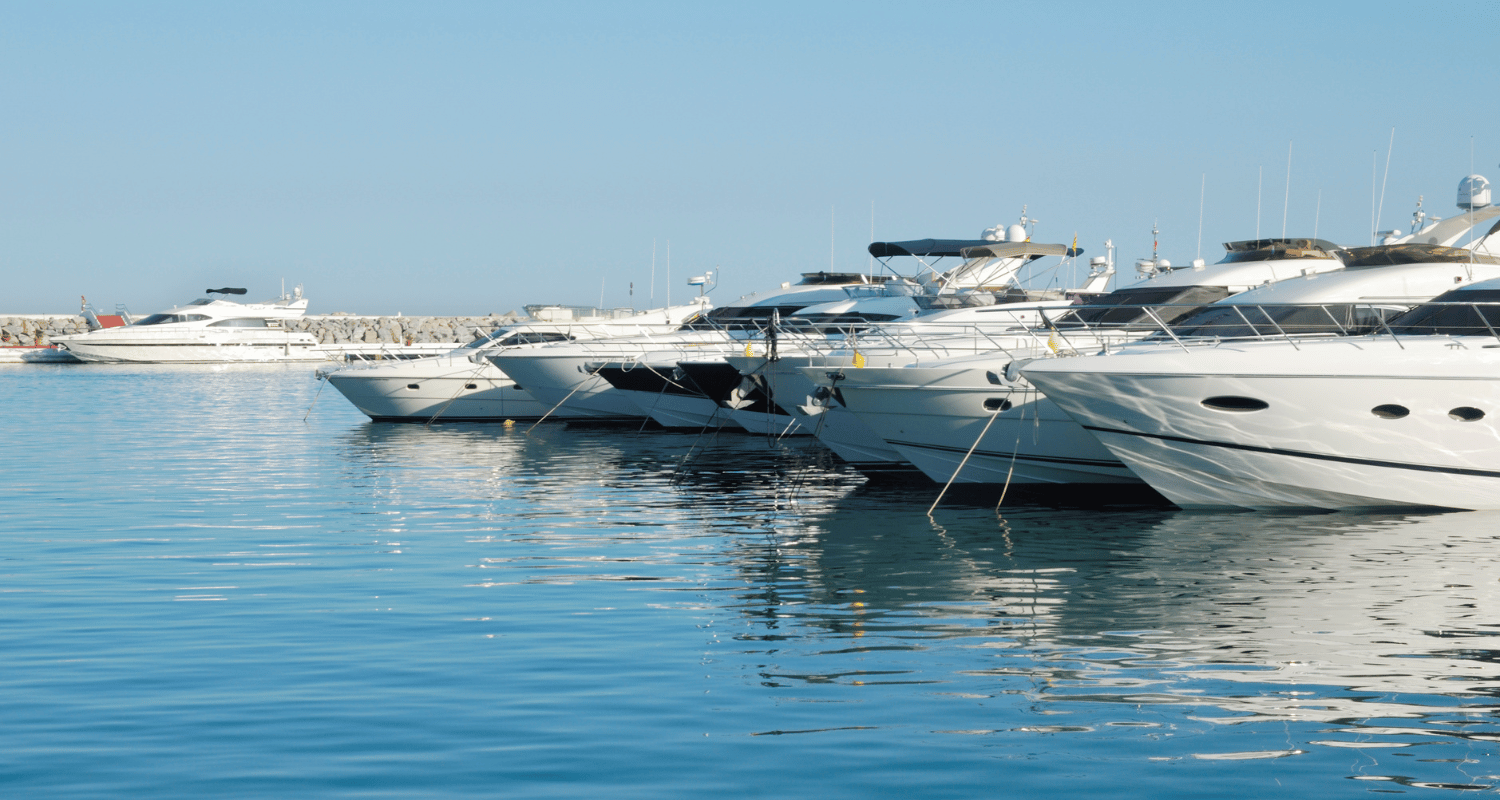
Choosing the right marine lubricants for your boat or personal watercraft is critical to performance, reliability, and long-term engine protection. Marine engines operate under constant load, high RPM, and wet conditions that standard automotive oils are not designed to handle. Understanding how marine lubricants work, what types are available, and how to choose the right products can help protect your investment and keep your boat running smoothly season after season.
Why Marine Lubricants Are Different
Boat engines and marine drivetrains face much harsher operating conditions than vehicles on land. Marine engines often run at higher RPMs for longer periods, which creates heat and stress that can quickly break down conventional motor oil. Marine lubricants are formulated with higher shear stability to maintain viscosity under load, along with additives that help resist oxidation, rust, and corrosion caused by moisture exposure. This added protection is essential for both freshwater and saltwater use.
Marine Engine Oil: What to Look For
When buying marine engine oil, it’s important to choose a product specifically designed for marine applications. Marine engine oils are formulated to protect against fuel dilution, prevent corrosion, and maintain oil film strength during continuous high-RPM operation. Many high-quality marine oils meet industry standards for four-stroke marine engines and are available in viscosity grades commonly recommended by boat manufacturers. Synthetic and synthetic-blend marine oils typically provide longer-lasting protection and improved performance compared to conventional oils.
The Importance of Marine Gear Lube
Marine gear lube plays a critical role in protecting the lower unit of outboard motors, sterndrives, and inboard boats. These gear systems are exposed to shock loads, water intrusion, and corrosion. Marine-specific gear lubricants are designed to resist water contamination while providing extreme-pressure protection for gears and bearings. Using the proper marine gear lube helps prevent premature wear, seal failure, and costly repairs.
Choosing the Right Lubricants for Your Boat or Watercraft
Before purchasing marine lubricants, consider the following factors:
- Engine Type – Outboard, inboard, sterndrive, and personal watercraft engines may require different oil formulations and viscosity grades.
- Operating Environment – Saltwater environments demand lubricants with strong corrosion-resistant properties.
- Oil Type – Synthetic marine lubricants offer superior protection, thermal stability, and longer service life.
- Maintenance Schedule – High-quality marine oils can help extend service intervals while maintaining protection.
Always follow manufacturer recommendations for oil type and viscosity to ensure optimal engine performance and longevity.
Benefits of Using High-Quality Marine Lubricants
Using the right marine lubricants helps reduce engine wear, improve reliability, and extend the life of your boat or watercraft. Quality marine oils and gear lubricants provide better protection against corrosion, help maintain performance under heavy loads, and can reduce the risk of unexpected breakdowns. Investing in proper lubrication not only protects your equipment but also enhances your overall boating experience.
Final Thoughts
Marine lubricants are not just another maintenance item — they are essential to protecting your engine, drivetrain, and overall investment. Whether you operate a fishing boat, cruiser, or personal watercraft, choosing marine-specific engine oil and gear lube designed for high-stress and wet environments will help ensure reliable performance every time you’re on the water.